Pasture Bush Hogging in Calvert County, MD
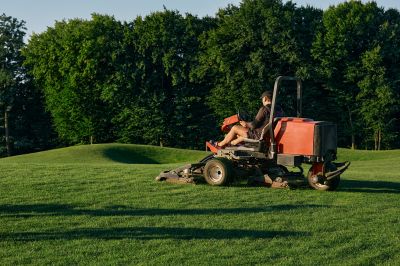
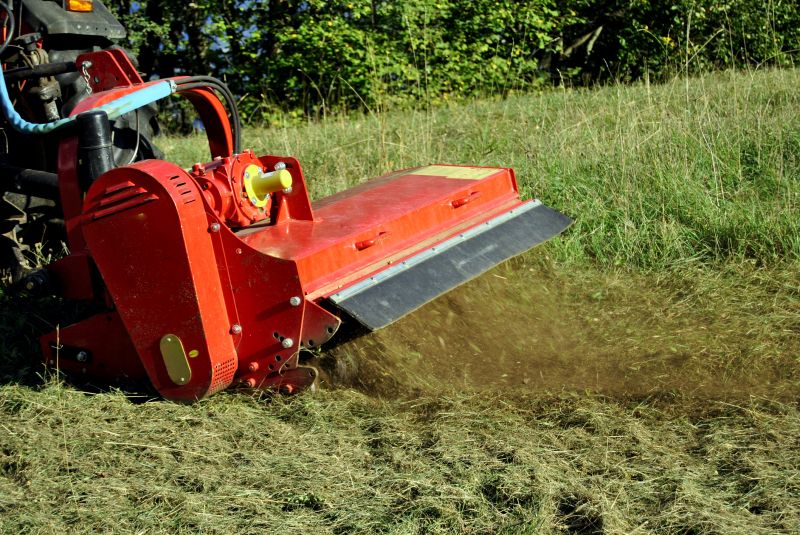
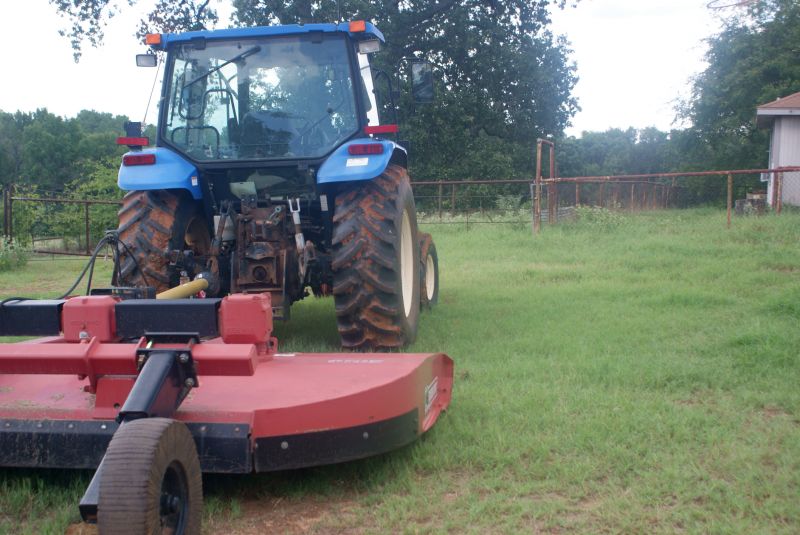
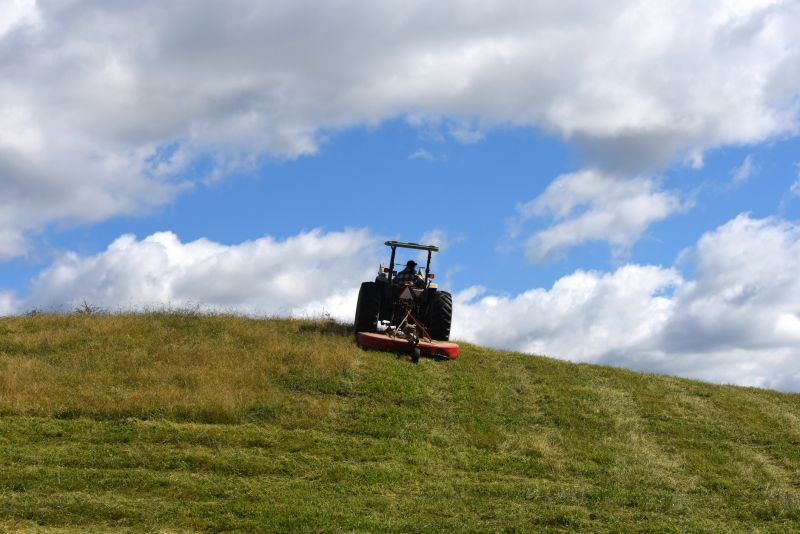
Pasture bush hogging services involve the removal of tall grasses, weeds, and brush from open fields and large grassy areas. This service is commonly used to maintain pasturelands, prepare land for planting, or clear overgrown sections of a property. Property owners typically request bush hogging to improve accessibility, enhance the appearance of their land, or prevent overgrowth from becoming a fire hazard. It is suitable for projects that involve large, open areas where traditional mowing equipment may not be practical or effective.
Before requesting pasture bush hogging, property owners should consider the size and terrain of the area, as well as any obstacles such as rocks, trees, or fencing that could affect the equipment used. Understanding the extent of overgrowth and the desired end result can help ensure the service meets expectations. Clarifying these details in advance can facilitate a smoother process and help determine the appropriate equipment and approach for the project.
Many property owners in Calvert County, MD look into Pasture Bush Hogging for repairs, replacements, upgrades, and appearance-related improvements.
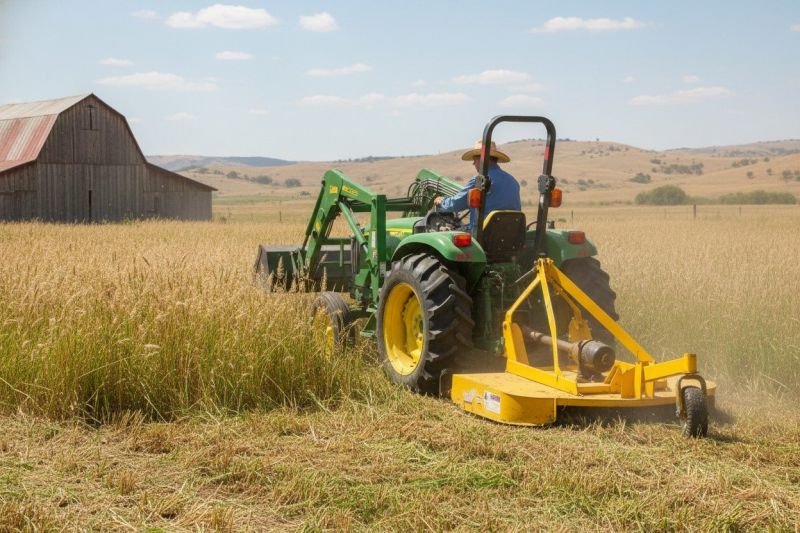
Field Clearing And Maintenance
Pasture bush hogging helps keep fields tidy and ready for grazing or planting.
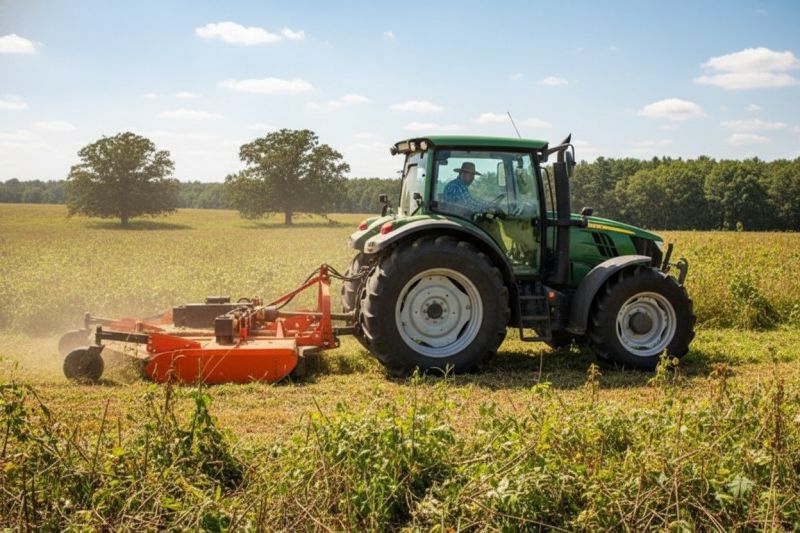
Overgrown Land Management
Removing thick brush and tall weeds restores accessibility and improves property appearance.
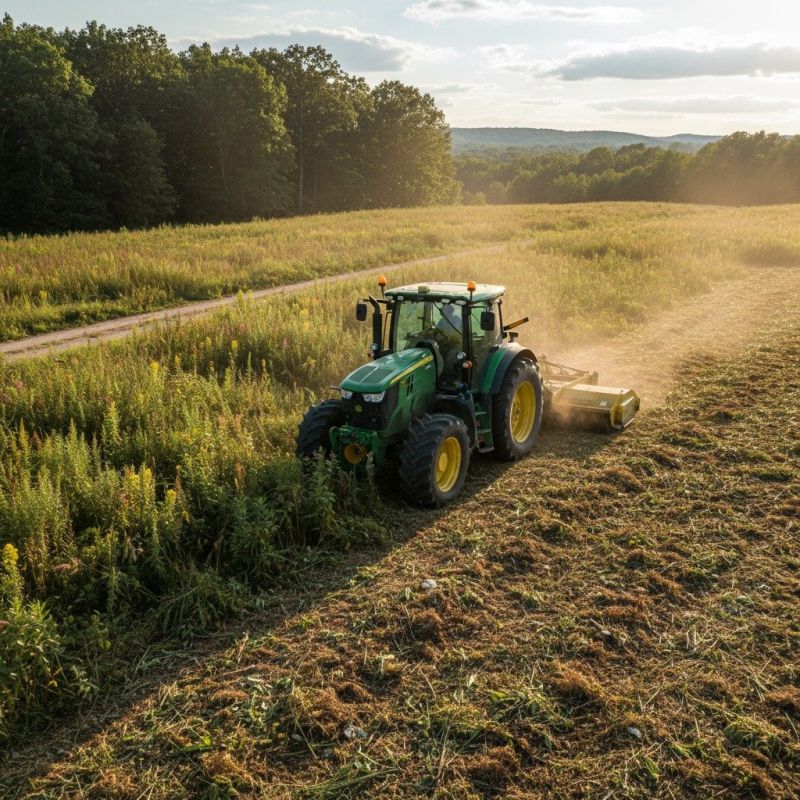
Seasonal Land Preparation
Regular bush hogging prepares pastures for new seasons and promotes healthy growth.
Pasture Bush Hogging in Calvert County, MD
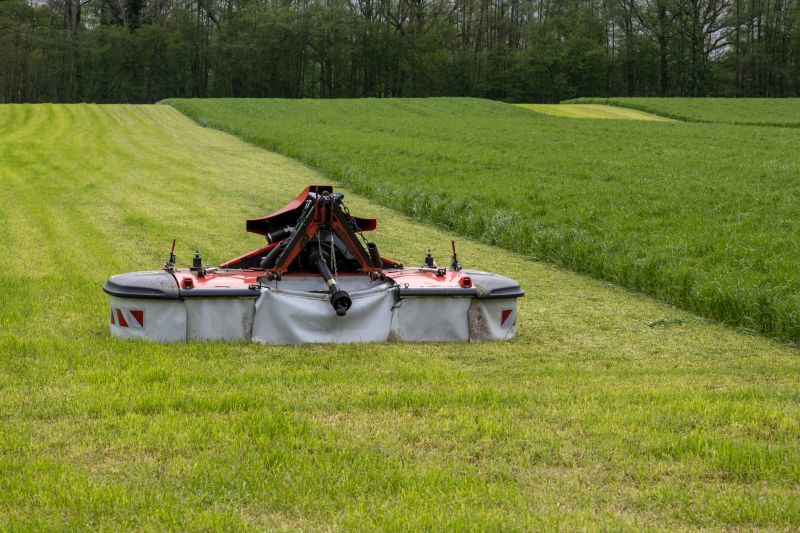
Pasture bush hogging services involve the removal of tall grasses, weeds, and brush from open fields and large grassy areas. This service is commonly used to maintain pasturelands, prepare land for planting, or clear overgrown sections of a property. Property owners typically request bush hogging to improve accessibility, enhance the appearance of their land, or prevent overgrowth from becoming a fire hazard. It is suitable for projects that involve large, open areas where traditional mowing equipment may not be practical or effective.
Before requesting pasture bush hogging, property owners should consider the size and terrain of the area, as well as any obstacles such as rocks, trees, or fencing that could affect the equipment used. Understanding the extent of overgrowth and the desired end result can help ensure the service meets expectations. Clarifying these details in advance can facilitate a smoother process and help determine the appropriate equipment and approach for the project.
Many property owners in Calvert County, MD look into Pasture Bush Hogging for repairs, replacements, upgrades, and appearance-related improvements.
Common Pasture Bush Hogging Jobs
Pasture clearing - removing overgrown grass and weeds to restore pasture health.
Brush hogging - cutting thick brush and tall grass for property maintenance.
Field mowing - managing large open areas to prevent overgrowth and maintain accessibility.
Fence line trimming - clearing vegetation along fences to improve visibility and property boundaries.
Wildlife habitat management - controlling tall grass and brush to promote healthy ecosystems.
Roadside mowing - maintaining clear and safe access along property roads and driveways.
Pasture Bush Hogging Questions
What areas are suitable for pasture bush hogging? Pasture bush hogging is ideal for open fields, overgrown pastures, and areas needing weed and brush control on rural or residential properties.
What types of vegetation can be cleared? It can handle grasses, weeds, small shrubs, and light brush to restore pasture land or prepare land for planting.
Is pasture bush hogging safe for existing fences and structures? Yes, careful operation ensures fences, posts, and other structures are protected during the process.
How often should pasture bush hogging be performed? Frequency depends on growth rates and land use, but typically, it is done seasonally or as needed for land maintenance.
Request Pasture Bush Hogging in Calvert County, MD
Use the quote form on this page to share the basics of your project and request more information for the type of work you need.